What Are Wall Image Promotions
Wall image promotions involve using printed graphics, photographs, murals, illustrations, logos, typography, or branded designs on walls to communicate a marketing message.
The concept is simple. Instead of leaving a large wall empty, you use the available surface to communicate something useful about your business.
A restaurant might use a large food photograph.
A clothing store might display its latest collection.
A school might create an educational wall.
A corporate office might display its mission and values.
A showroom might use product images.
An outdoor brand campaign might transform a building wall into a large advertising display.
Wall graphics can combine advertising with interior or exterior design, making them useful for businesses that want both visual improvement and promotional value.
Why Wall Image Advertising Matters
Customers see countless advertisements every day. A wall promotion can provide a physical point of contact that exists within the customer’s environment.
A strategically positioned wall graphic can remain visible throughout the day. Outdoor wall advertisements are commonly placed near busy roads, intersections, markets, and other high-traffic locations to maximize exposure. (Fullyad Outdoor Advertiser)
Indoor wall graphics serve a different purpose. They can reinforce branding after customers enter a business.
This creates an opportunity to communicate your identity throughout the customer journey.
Your exterior wall can attract attention.
Your entrance can introduce your brand.
Your reception area can communicate your values.
Your product area can highlight important offers.
Your checkout area can promote additional products or services.
Benefits of Wall Image Promotions
Strong Brand Visibility: Large wall images can make your business easier to notice. A clear logo, recognizable color scheme, and simple message can help customers identify your business quickly. Outdoor wall advertising can be particularly useful in busy commercial areas where people repeatedly pass the same location.
Better Brand Recognition: Consistent visual branding can help people remember your business. Use the same logo, colors, typography, and visual style across your wall graphics, website, social media, packaging, and other marketing materials. This creates a consistent brand identity.
Cost-Effective Long-Term Promotion: A professionally installed wall graphic can remain in place for an extended period, depending on the material, location, weather conditions, surface, and installation quality. This makes permanent or semi-permanent wall branding useful for businesses that want continuous visibility instead of short promotional campaigns.
Improved Business Appearance: Wall graphics can make an empty or unattractive space look more professional. A well-designed reception wall can improve the first impression of an office. A creative restaurant wall can make the environment more engaging. A branded showroom can create a stronger connection between the physical space and the products being sold.
Local Customer Targeting: Wall advertising allows you to select a location where your target customers already spend time. For example, a restaurant can advertise near a busy commercial area. A school can use attractive walls near its entrance. A property developer can promote a housing project in a nearby high-traffic area. A retail business can brand walls around its store. This location-based approach can make physical advertising more relevant.
Creative Wall Image Promotion Ideas
1. Large Brand Logo Wall: A large logo wall is one of the simplest business branding ideas. Place your company logo on a prominent wall near the reception area or entrance. You can combine the logo with your slogan, company colors, or a subtle background pattern. For offices, this creates an immediate visual connection with visitors. For retail businesses, it can create a recognizable branded environment. A logo wall can also become a natural background for customer photographs.
2. Product Showcase Wall: Turn a wall into a product display. Use high-quality product photographs with short descriptions. This works well for clothing stores, electronics shops, furniture businesses, beauty brands, restaurants, and automobile showrooms. Instead of filling the wall with excessive text, focus on a few important products. Use large images. Add short product names. Highlight important features. Include a clear call to action where appropriate.
3. Promotional Offer Wall: A promotional wall can advertise discounts, seasonal offers, new arrivals, or limited-time deals. For example: “Summer Sale, Up to 30% Off” “New Collection Available Now” “Weekend Special Offer” “Buy More, Save More” Use large typography so customers can understand the offer quickly. Avoid overcrowding the design with too many messages.
4. Brand Story Wall: A company history wall can explain how your business started and developed. Include important milestones. Show old photographs. Display major achievements. Mention important dates. Introduce founders or key developments. This approach works particularly well in corporate offices, schools, factories, restaurants, and established retail businesses.
5. Mission and Values Wall: Businesses can use walls to communicate their mission, vision, and values. A clean design can display three or four core values. For example: Integrity. Innovation. Customer Service. Quality. This type of branding can communicate company culture to employees, customers, and visitors. Modern office branding commonly uses mission walls, timeline walls, employee displays, product walls, and branded patterns. (Profine)
6. Social Media Photo Wall: Create a visually attractive wall that customers want to photograph. Add your logo subtly. Use creative artwork. Include a short slogan. Leave enough space for people to stand in front of the design. Restaurants, cafes, clothing stores, salons, gyms, and event venues can benefit from this concept. If customers photograph the wall and share it online, the physical promotion can support social media visibility.
7. QR Code Wall Promotion: QR codes can connect physical advertising with digital content. A wall design could include a QR code leading to: Your website. Online catalog. WhatsApp business account. Location map. Social media profile. Special offer. Registration page. The QR code should be large enough to scan easily. Place it at a comfortable viewing distance. Do not surround it with excessive visual elements. QR codes are increasingly being integrated into physical advertising because they can connect static displays with digital content. (Vibrant Colour)
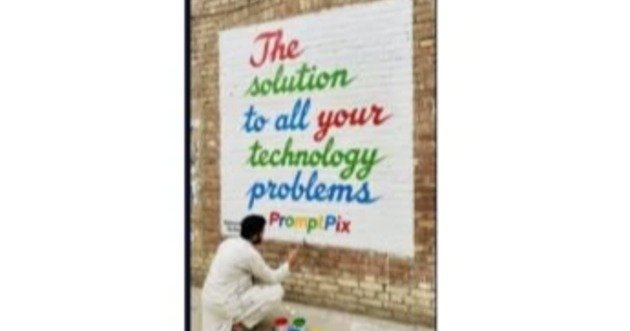
8. Wall Mural Advertising: A mural can turn an ordinary wall into a large creative advertisement. Instead of using a conventional poster, create an artistic scene related to your brand. For example, a coffee shop could use a mural showing coffee beans and a modern cafe environment. A sports brand could create an energetic athletic scene. A tourism company could use a destination-inspired landscape. Mural advertising can attract attention because the artwork becomes part of the surrounding environment. Current outdoor advertising practices also use large wall paintings and murals to create recognizable brand spaces. (American Guerrilla Marketing)
9. Customer Testimonial Wall: Display selected customer reviews on a wall. Use short quotes. Add customer first names where appropriate. Include ratings if they are genuine. Use photographs only with permission. This approach can provide social proof while adding visual content to an otherwise empty wall.
10. Before and After Wall: Businesses offering transformation services can use before-and-after visuals. This is useful for: Salons. Gyms. Interior designers. Car detailing businesses. Construction companies. Cleaning companies. Beauty clinics. Renovation businesses. Show the original condition on one side and the completed result on the other. The visual comparison can communicate your service more quickly than a long description.
Wall Promotions for Retail Stores
Retail businesses can use wall images throughout the customer journey.
Near the entrance, use branding and current offers.
Inside the store, highlight product categories.
Near important products, display features and benefits.
Near checkout, promote related products.
Wall graphics can also help customers navigate different areas of a store.
Indoor advertising providers commonly use wall wraps, floor graphics, gondola displays, digital signage, and product displays to improve customer communication inside commercial spaces. (Advertising Agency)
Wall Promotions for Restaurants
Restaurants can make strong use of visual walls.
Display your signature dishes.
Create a branded photo wall.
Show your menu highlights.
Promote seasonal meals.
Display your restaurant story.
Create an attractive space for customer photographs.
Food photography should be high quality because poor images can make products look less appealing.
Use short text alongside photographs.
Avoid placing too many dishes on a single wall.
Wall Promotions for Schools
Schools can use wall graphics for both education and branding.
Create subject-specific educational walls.
Display science concepts.
Show historical timelines.
Create motivational designs.
Display school achievements.
Promote cleanliness and discipline.
Use colorful designs for younger students.
Use more professional educational graphics for secondary students.
A school wall can therefore serve as both a learning resource and a communication tool.
Wall Promotions for Offices
Office wall branding can communicate professionalism and company identity.
Useful concepts include:
- Logo walls.
- Mission statements.
- Company history.
- Team photographs.
- Achievement displays.
- World maps.
- Product portfolios.
- Motivational typography.
- Branded patterns.
- A thoughtfully designed office environment can make the workplace more visually consistent and memorable for employees and visitors.
Wall Promotions for Small Businesses
Small businesses do not need massive advertising walls.
A single well-designed wall can be enough.
A local bakery can promote its best products.
A barber can display its services.
A mobile shop can promote new devices.
A clothing store can showcase its latest collection.
A tuition center can display its achievements.
The important factor is relevance.
Your wall should communicate something useful about your business.
Outdoor Wall Advertising
Outdoor wall promotions require more planning than indoor graphics.
Consider visibility.
Traffic flow.
Viewing distance.
Wall condition.
Sun exposure.
Rain.
Wind.
Lighting.
Local advertising regulations.
The message should remain readable from a distance.
Large typography usually works better than small paragraphs.
High-contrast designs can improve readability.
Outdoor advertising companies in Pakistan use wall billboards, wall paintings, building wraps, and other large-format formats for high-traffic locations.
Choosing the Right Wall
Not every wall is suitable for advertising.
Choose a wall that your target audience can easily see.
For outdoor advertising, consider roads, intersections, markets, commercial areas, and pedestrian routes.
For indoor advertising, consider entrances, reception areas, waiting areas, product sections, and checkout areas.
The wall should also have a suitable surface.
Damaged, damp, peeling, or heavily textured walls can create installation problems.
Prepare the surface before applying graphics.
Choosing Wall Graphic Materials
Different materials suit different situations.
Vinyl Graphics: Vinyl is widely used for indoor branding and promotional graphics. It can provide a clean appearance and can often be replaced when campaigns change.
Printed Wallpaper: Printed wallpaper can cover large interior areas and create immersive designs. It works well for offices, restaurants, showrooms, and educational spaces.
Acrylic Panels: Acrylic can provide a premium appearance. It works particularly well for logos, reception areas, and corporate branding.
Metal Panels: Metal-based signage can provide durability for certain indoor and outdoor applications.
Painted Murals: Painted murals can create a more artistic appearance. They can also become part of the architectural character of a location. The right material depends on the wall surface, campaign duration, environment, budget, and desired appearance.
Wall Image Design Tips
Keep the Message Simple: People may only have a few seconds to notice your wall advertisement. Use a short headline. Use a clear image. Include your logo. Add one main call to action.
Use High-Quality Images: Low-resolution images can look poor when enlarged. Use high-resolution source files. Check the final design at the intended viewing size.
Maintain Brand Consistency: Use your existing brand colors and fonts. Do not create a completely different visual identity for every wall.
Consider Viewing Distance: A design that looks excellent on a computer screen may not work on a large outdoor wall. Test the design from a distance before printing.
Avoid Excessive Text: A wall advertisement is not a blog post. Use short phrases. Highlight the most important information.
Interactive Wall Promotions
Technology can make wall advertising more engaging.
QR codes are one simple option.
Digital screens can provide changing content.
Interactive displays can respond to users.
Augmented reality can connect physical walls with digital experiences.
These approaches can turn a static advertisement into an interactive experience. Current wall graphic trends include technology integration, QR codes, and augmented reality elements. (PIP)
Seasonal Wall Promotions
Wall graphics can support seasonal marketing.
Ramadan promotions.
Eid campaigns.
Summer sales.
Winter collections.
Back-to-school campaigns.
Independence Day promotions.
New Year offers.
Seasonal graphics can keep your physical location visually fresh.
For temporary campaigns, use materials that can be replaced without permanently altering the wall.
Measuring Wall Promotion Results
Physical advertising should also be measured.
You can use a unique QR code.
Create a campaign-specific discount code.
Use a dedicated landing page.
Ask customers how they heard about your business.
Track calls or messages generated during the campaign.
Compare sales before and after the promotion.
For outdoor campaigns, agencies may also estimate impressions and reach based on location and traffic.
Common Wall Advertising Mistakes
Too Much Text: Large walls covered with paragraphs are difficult to read.
Poor Image Quality: Pixelated images can make your business look unprofessional.
Weak Contrast: Text that blends into the background becomes difficult to read.
Wrong Location: Even an excellent design can fail if few target customers see it.
Ignoring the Wall Surface: Uneven or damaged surfaces can affect the final result.
No Clear Call to Action: Tell customers what to do next. Visit. Call. Scan. Order. Register. Follow.
Inconsistent Branding: Using different logos, colors, and styles can weaken brand recognition.
How to Create a Successful Wall Promotion Campaign
- Start with your objective.
- Decide whether you want brand awareness, product promotion, customer engagement, local visibility, or direct sales.
- Identify your target audience.
- Choose a suitable wall.
- Measure the available space.
- Create the design.
- Check visibility from the expected viewing distance.
- Select suitable materials.
- Prepare the wall.
- Install the graphics professionally.
- Add a measurable call to action.
- Monitor the campaign.
- Update the design when the message becomes outdated.
Future of Wall Image Promotions
Wall advertising is increasingly combining traditional physical branding with digital technology.
Businesses can use QR codes, interactive displays, digital screens, and augmented reality alongside conventional wall graphics.
AI can also help businesses develop design concepts, promotional artwork, and visual variations before production.
This can make the planning stage faster.
However, technology should support the marketing objective rather than make the design unnecessarily complicated.
The strongest wall promotion is usually the one that customers can understand quickly.
Frequently Asked Questions
What Are Wall Image Promotions?
Wall image promotions are visual marketing campaigns that use large graphics, branding murals, and displays on interior or exterior walls. They build memorable local brand recognition.
Are Wall Graphics Good for Small Businesses?
Yes. A small business can use one prominent wall to promote its products, services, logo, offers, or brand identity.
Can Wall Advertising Increase Brand Awareness?
Yes, prominent wall advertisements capture high foot-traffic attention and deliver repeated visual exposure. This consistent visibility strengthens local brand recall effectively.
What Businesses Can Use Wall Promotions?
Retail shops, restaurants, gyms, corporate offices, and educational institutes can all utilize wall promotions. Any business wanting strong visual impact can benefit.
Are Wall Murals Useful for Advertising?
Yes. Murals can combine artwork with brand messaging and can make a business location more visually distinctive.
Can I Add a QR Code to a Wall Advertisement?
Yes. A QR code can connect the physical advertisement to a website, catalog, offer, contact page, or social media profile.
Are Wall Graphics Suitable for Outdoor Use?
Some materials are designed for outdoor environments. Selection should consider weather, sunlight, surface condition, and expected campaign duration.
How Can I Make a Wall Advertisement Attractive?
Use high-resolution graphics, contrasting brand colors, readable typography, and an unambiguous call to action. Keeping the message concise maximizes viewer engagement.
How Do I Measure Wall Advertising?
You can track performance by including dedicated QR codes, promo coupons, unique phone numbers, and custom landing page links. Comparing store footfall also helps.
Final Thoughts
Wall image promotions provide businesses with a practical way to turn unused surfaces into marketing opportunities. They can improve brand visibility, communicate important information, highlight products, support seasonal campaigns, and create memorable customer experiences.
The best wall promotion starts with a clear objective. Decide what you want customers to notice and what action you want them to take.
Use high-quality visuals.
Keep the message short.
Choose the right location.
Maintain your brand identity.
Select suitable materials.
Make the design readable from the expected viewing distance.
For digital integration, consider QR codes or interactive elements. For stronger visual impact, consider murals, product walls, branded patterns, or large-scale photography.
When planned properly, a wall can become a valuable part of your overall marketing strategy. It can support both offline visibility and online engagement while giving your business environment a more professional and recognizable identity.